At its core, Teflon improves the cooking process by creating an exceptionally non-stick surface. This fundamental property prevents food from adhering to the pan, which simplifies the act of cooking delicate items and makes cleanup significantly faster and easier.
The true advantage of Teflon cookware isn't just that it's "slippery." It's a result of the material's unique molecular properties—extremely low friction, chemical inertness, and heat resistance—which work together to prevent food from bonding to the surface.
The Science Behind the Non-Stick Surface
To understand why Teflon works so well, we need to look beyond the surface and at the material itself, a polymer known as Polytetrafluoroethylene (PTFE).
Exceptionally Low Friction
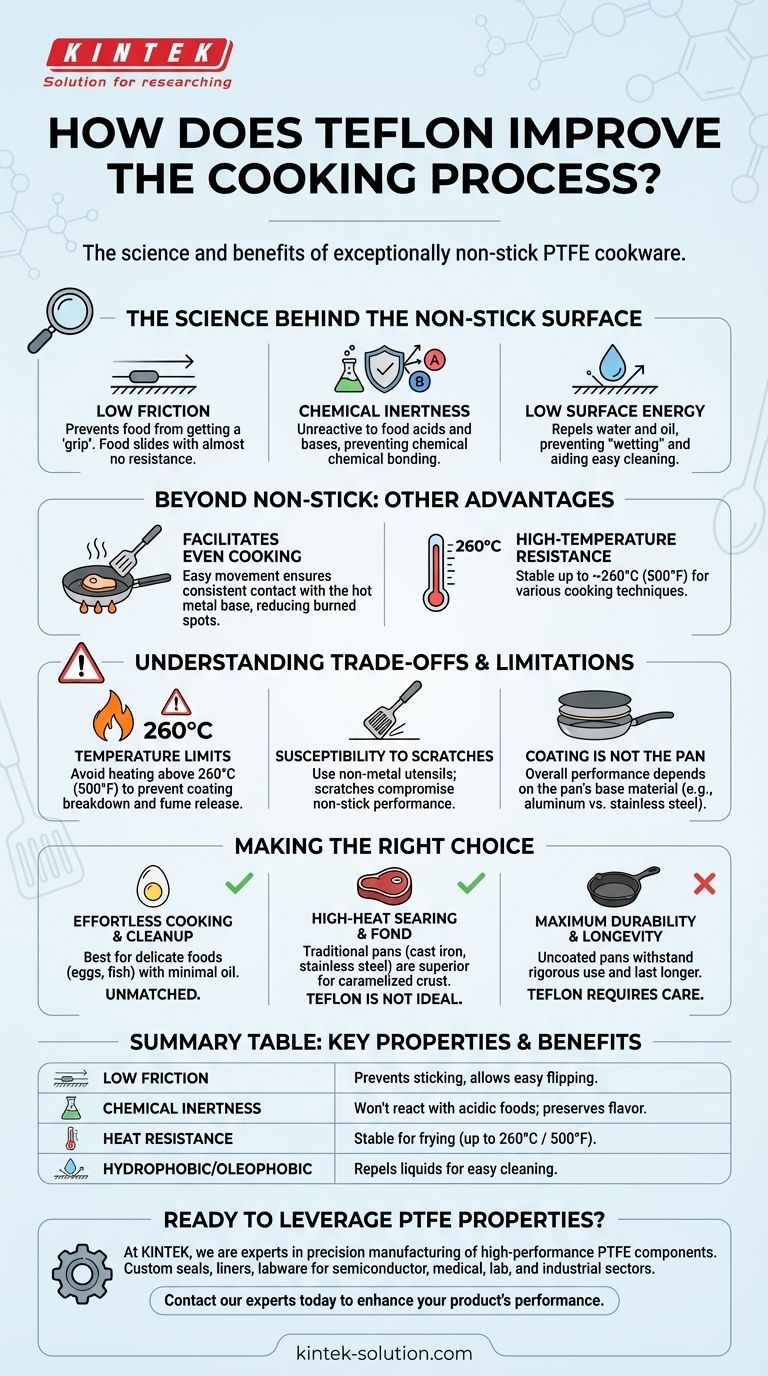
Teflon possesses one of the lowest coefficients of friction of any known solid. This means that other materials, including food, slide across its surface with almost no resistance. This property is intrinsic to its molecular structure, preventing food from getting a "grip" on the pan.
Chemical Inertness
The material is highly unreactive. It does not react with the acids or bases commonly found in food, which prevents the chemical bonding that causes sticking in other types of cookware.
Low Surface Energy
Teflon is also hydrophobic and oleophobic, meaning it repels both water and oil. This low surface energy prevents liquids and food residues from "wetting" or spreading across the surface, further contributing to its non-stick performance and easy cleaning.
Beyond Non-Stick: Other Cooking Advantages
While its non-stick nature is the primary benefit, Teflon's other properties also contribute to a better cooking experience.
Facilitating Even Cooking
A common misconception is that Teflon itself improves heat transfer. In reality, PTFE is an insulator. However, in cookware, it is applied as an extremely thin layer over a highly conductive metal like aluminum.
The benefit comes from the non-stick surface allowing food to be moved and flipped easily, ensuring all parts of the food make consistent contact with the hot metal pan. This helps prevent burned or undercooked spots.
High-Temperature Resistance
Teflon is stable and safe for cooking at temperatures up to approximately 260°C (500°F). This resistance allows for a wide range of cooking techniques, from gentle warming to frying and sautéing, without degrading the coating.
Understanding the Trade-offs and Limitations
No material is perfect. To use Teflon effectively and safely, it's critical to understand its limitations.
Temperature Limits are Critical
Heating a Teflon-coated pan above 260°C (500°F) can cause the coating to begin breaking down, releasing polymer fumes. It is crucial to avoid preheating an empty pan or using it for ultra-high-heat techniques like broiling.
Susceptibility to Scratches
The Teflon coating is relatively soft and can be easily damaged by metal utensils, abrasive scouring pads, or stacking. Scratches can compromise the non-stick performance and may cause small particles of the coating to flake off.
The Coating is Not the Pan
The overall cooking performance of a pan—how quickly and evenly it heats—is determined by its base material and construction, not the Teflon coating. A thin aluminum pan with Teflon will perform very differently than a heavy, multi-ply stainless steel pan with the same coating.
Making the Right Choice for Your Goal
Teflon is a specific tool for a specific job. Your cooking style should determine when you use it.
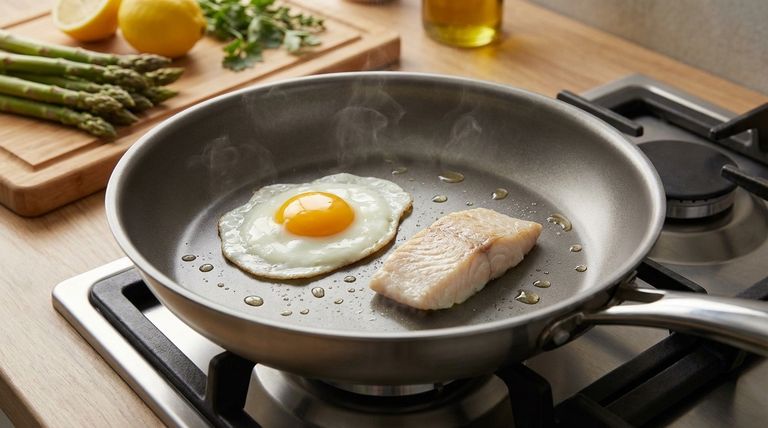
- If your primary focus is effortless cooking and cleanup: Teflon is unmatched for preparing delicate foods like eggs, fish, and pancakes with minimal oil.
- If your primary focus is high-heat searing and developing a fond: A traditional pan, like stainless steel or cast iron, is the superior tool for creating the caramelized crust that builds flavor.
- If your primary focus is maximum durability and longevity: Cookware without a delicate coating, such as cast iron or stainless steel, will generally withstand more rigorous use and last longer.
Understanding these properties allows you to leverage Teflon as the highly effective, specialized tool it is.
Summary Table:
| Property | Benefit in Cooking |
|---|---|
| Low Friction | Prevents food from sticking; allows easy flipping. |
| Chemical Inertness | Won't react with acidic foods; preserves flavor. |
| Heat Resistance | Stable for frying and sautéing (up to 500°F / 260°C). |
| Hydrophobic/Oleophobic | Repels water and oil for exceptionally easy cleaning. |
Ready to leverage the superior properties of PTFE (Teflon) in your products?
At KINTEK, we are experts in precision manufacturing of high-performance PTFE components. Whether you need custom seals, liners, labware, or other specialized parts for the semiconductor, medical, laboratory, or industrial sectors, we deliver the consistent quality and chemical resistance that PTFE is known for.
We specialize in custom fabrication, from prototypes to high-volume orders, ensuring your components meet exact specifications.
Contact our experts today to discuss how our PTFE solutions can enhance your product's performance and reliability.
Visual Guide
Related Products
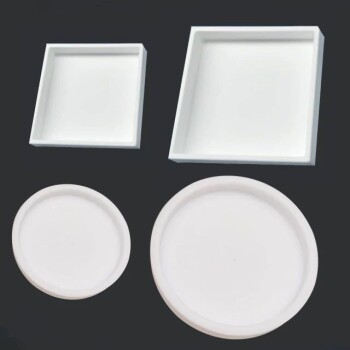
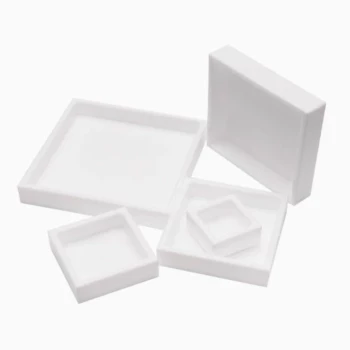
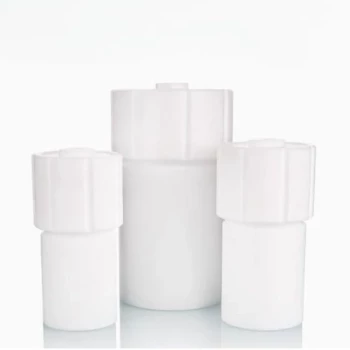
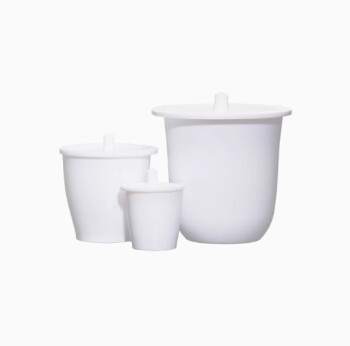
- Custom PTFE Parts Manufacturer for Teflon Containers and Components
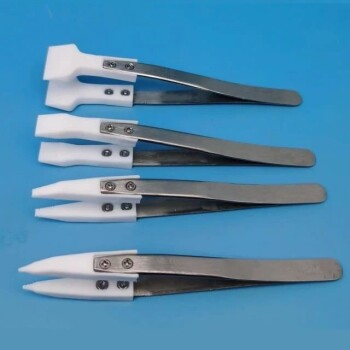
- Custom PTFE Parts Manufacturer for Teflon Parts and PTFE Tweezers
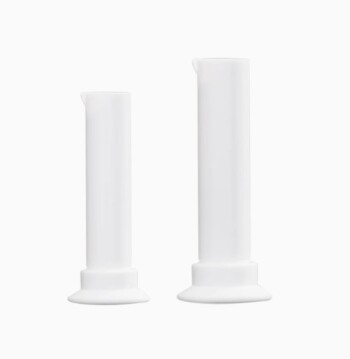
- Custom PTFE Measuring Cylinders for Advanced Scientific and Industrial Applications
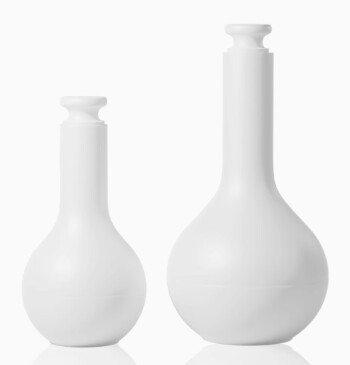
- Custom PTFE Volumetric Flasks for Advanced Scientific and Industrial Use
- Custom PTFE Teflon Parts Manufacturer PTFE Magnetic Stirring Bar
People Also Ask
- Why is PTFE suitable for cryogenic or high-temperature applications? Unmatched Thermal Stability from -450°F to 500°F
- What are the key benefits of PTFE in custom fabrication? Unlock Performance in Extreme Conditions
- What are the base characteristics of PTFE? Unlocking Extreme Performance in Friction, Temperature, and Chemical Resistance
- What is PTFE commonly known as and what are its unique properties? Unlock Unmatched Chemical & Thermal Resistance
- What are the best practices for achieving tight tolerances in Teflon (PTFE) machining? Master Precision for Demanding Applications